

Sometimes a title is a key that unlocks a painting. A single word can suggest a place, a memory, a feeling, or an idea that helps viewers begin their own journey into the work. For artists, however, the process often begins much earlier. A word or phrase may spark an idea long before the first brushstroke is applied, while other titles emerge gradually as the painting develops.
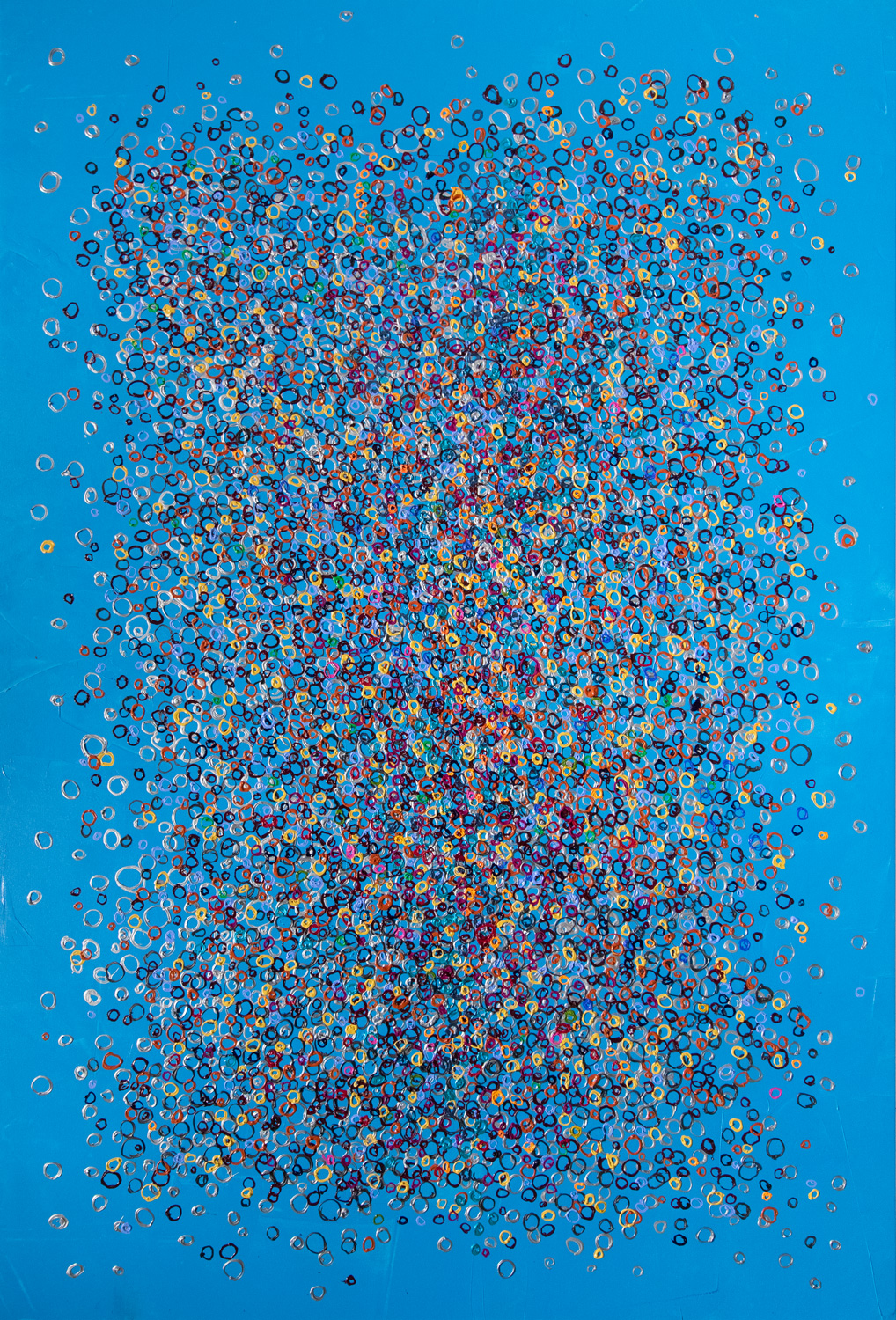
Acrylic on Canvas 68½" x 47"
Some titles aim to capture a mood or sensation.
Bill Pugh's Effervescence #2 is a joyful abstract painting filled with a kaleidoscope of colors against a vibrant blue background. The painting’s bubbling circles of color and shimmering pigments create a lively, rising energy, and the title encourages viewers to feel that movement rather than search for a literal subject. The surface seems to bubble outward from the center, fizzing toward the edges of the canvas. Reds, browns, blues, greens, oranges, and yellows mingle in the riot of colors, creating a sense of energy and movement that lives up to the painting's title.
Poetic titles rely on imagery and suggestion.
Charles H. Reinike III’s painting of a shrimp boat at night—its hull washed in white light, the water shimmering beneath it—is titled Night Light. The title doesn’t describe the scene so much as distill its atmosphere: the quiet glow, the isolation, the meeting of darkness and illumination on the water. Poetic titles like this guide viewers toward a mood or emotional tone, inviting them to enter the painting through language as much as through sight.
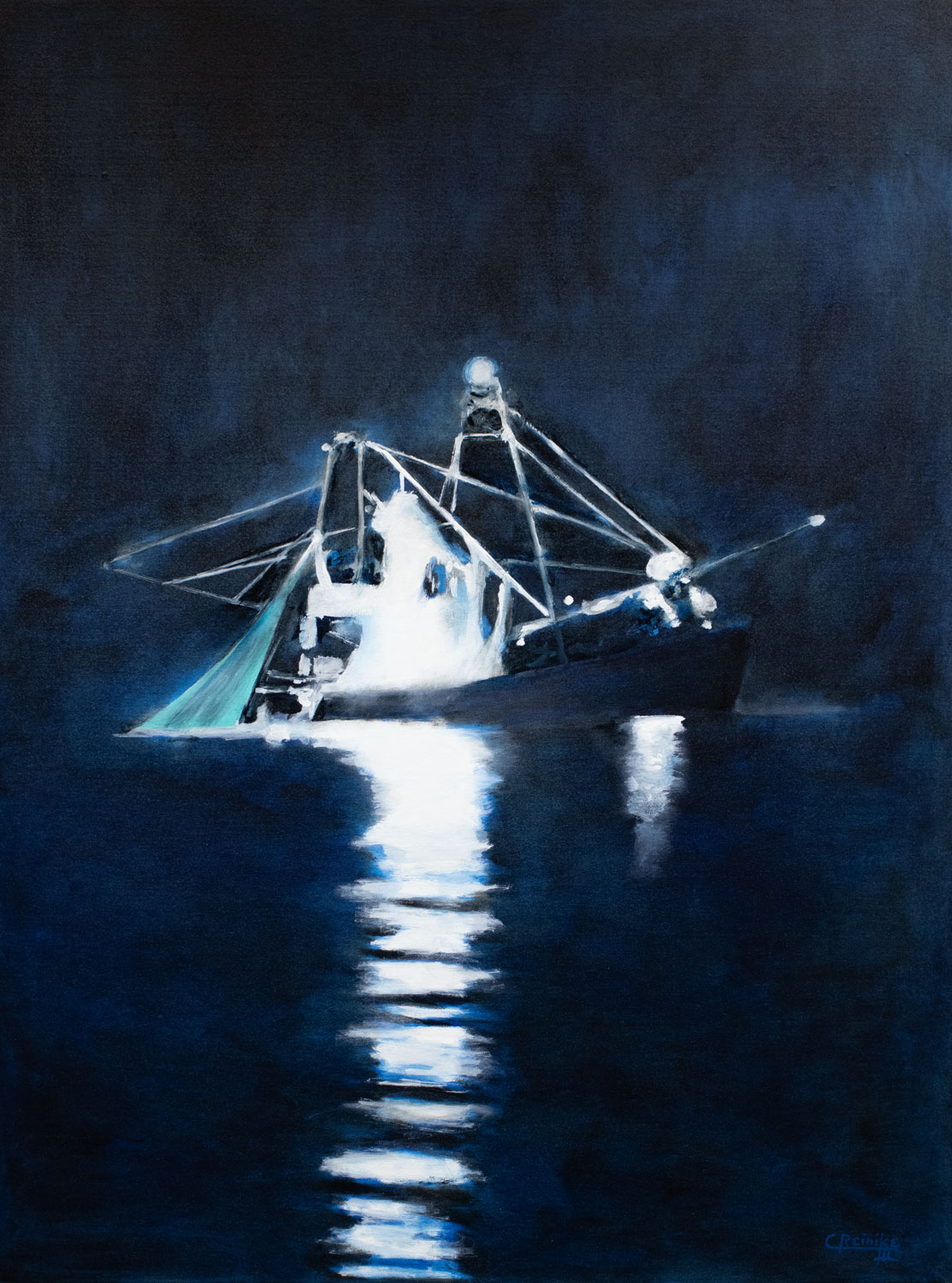
Oil on Canvas 48" x 36"
Some titles grow from private stories, memories, or imagined characters known only to the artist.
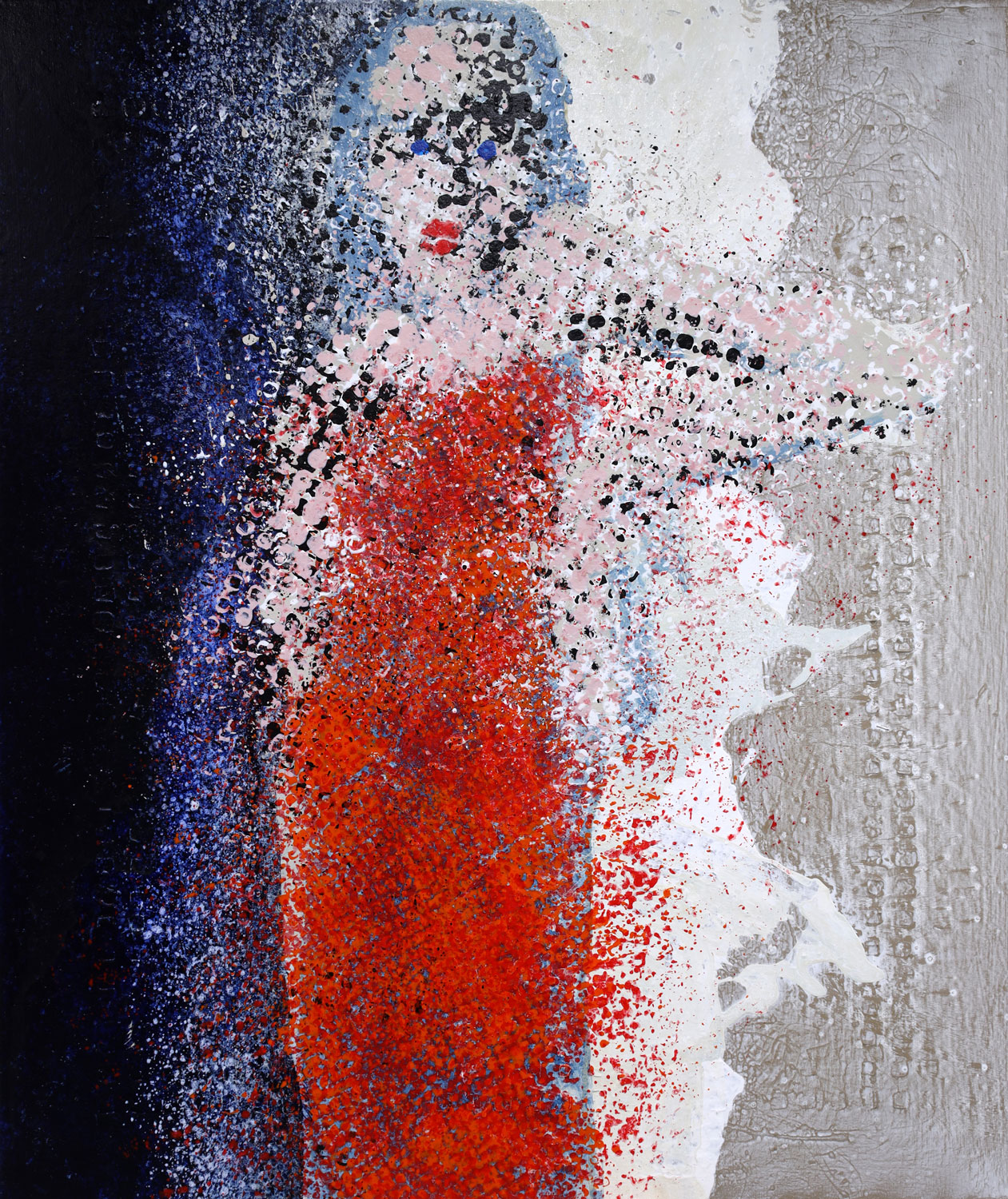
Acrylic on Canvas 50" x 42"
Henry Callahan’s Rocket presents an abstract female figure emerging from a grid of dots and specks of color. Her pose—hand on hip and radiating attitude—suggests confidence and dominance, but the title offers few obvious clues. For Callahan, however, Rocket grew from a story he imagined during his travels as a young man: a glamorous movie star named Rocket moving through the world with a coterie of admirers. The character stayed with him over the years, eventually finding her way into this painting. Titles like this carry layers of meaning that remain invisible to viewers, revealing how personal histories can shape the naming of a work.
A title that references an actual place simply identifies the setting that the painting depicts.
Titles can also serve as a record of place or an event. Randy Akers’ Cabrières takes its name from the village in Provence where the artist worked during his artist's residency there. While the painting is not a literal representation of the location, the title anchors the work to a specific time and place, providing a clue to its origins.
Even in its highly stylized form, the abstracted buildings and tree retain enough structure that a viewer wandering into the real scene would recognize its shapes and rhythms. But even a simple title like Cabrières can carry additional meaning for those who know the region. It refers not only to a geographic point on the map but to a landscape shaped by centuries of stone architecture, terraced hillsides, and the particular light of southern France—layers of association that deepen the viewer’s sense of place.
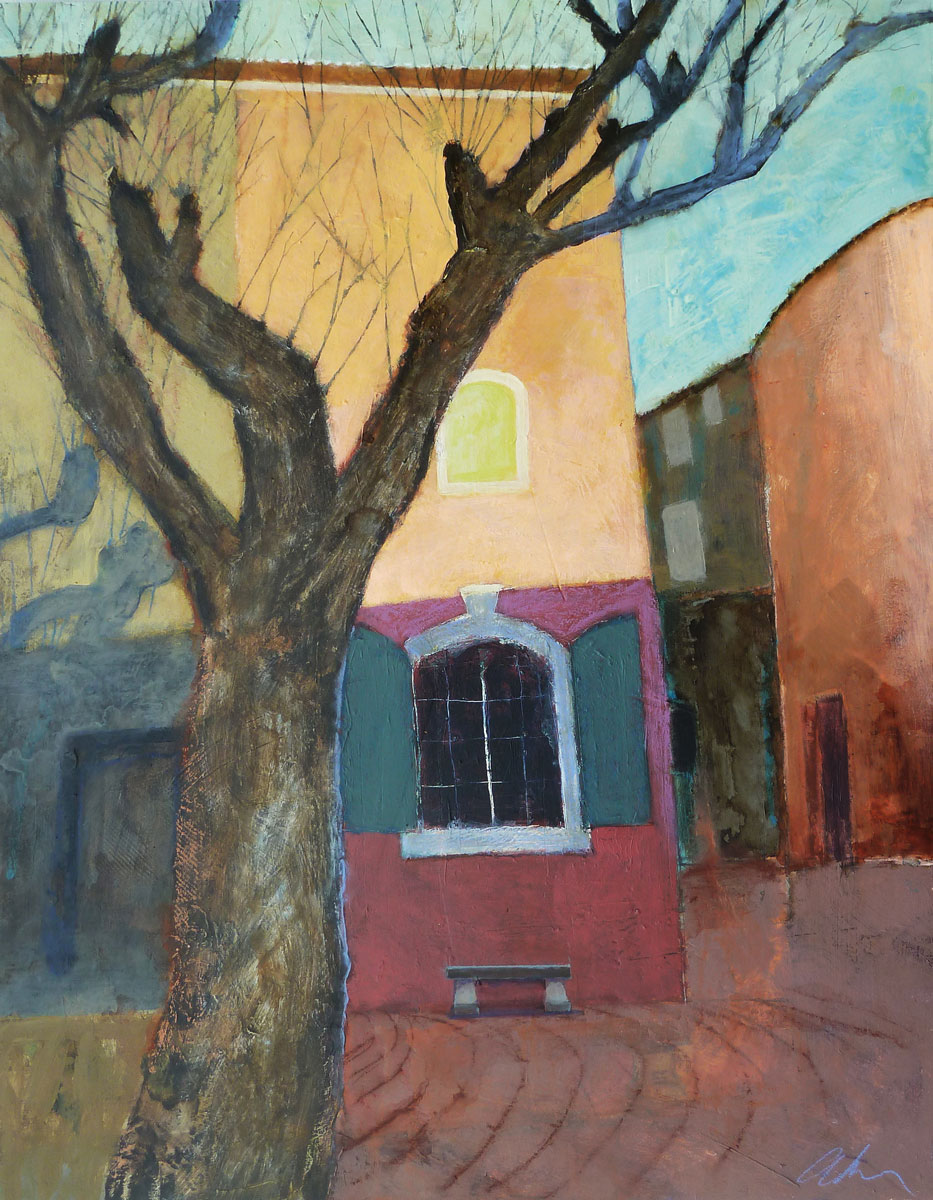
Mixed Media on Canvas 54" x 42"
And then there are straightforward names.
But not every title is intended to be mysterious. Charles H. Reinike III's Seagrapes on Blue #3 simply identifies both the subject and its place within a continuing series. Yet even this straightforward approach tells viewers something important. The title reveals that the painting is part of an ongoing exploration, suggesting a subject that continues to hold the artist's attention.
Whether descriptive, personal, geographic, or simply identifying a subject, titles offer viewers a first point of entry into a work of art. Titles may explain, suggest, or simply name, but they often provide the first clue to the artist's thinking and the journey that led to the finished painting.